5G network boosts V2X tech for drivers
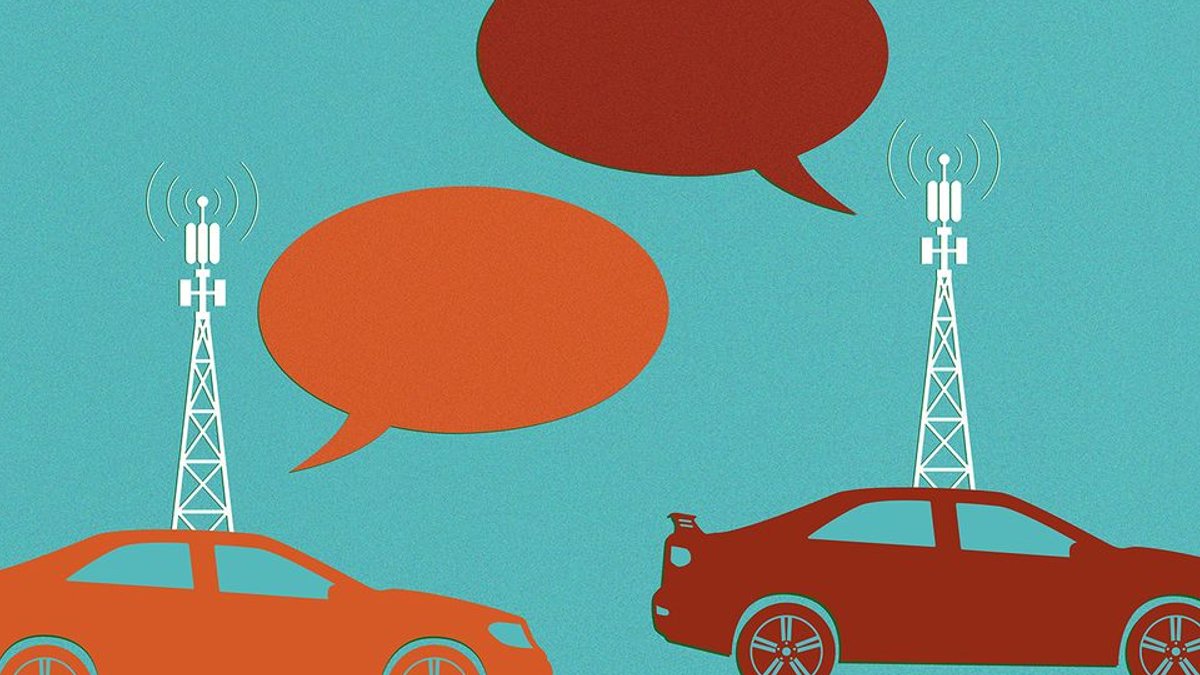
Cellphones could soon transmit traffic warnings between cars and roadside sensors without requiring dedicated hardware in every vehicle. Engineers at the University of Michigan have shown a 5G-based vehicle-to-everything system that uses standard smartphones to send safety messages, which may speed up adoption without waiting for automakers to install new chips.
How the system works
The prototype replaces specialized V2X radios with software running on unmodified 5G phones. When a car’s sensors detect a hazard like a sudden stop or black ice, the phone sends an alert over the cellular network. Nearby vehicles receive the warning through their own phones, which display the message or sound an alert.
Tests demonstrated warnings could be delivered in under 100 milliseconds, fast enough to prevent rear-end collisions at highway speeds. That speed matches what dedicated V2X hardware achieves today, though it eliminates the need for new equipment in cars or roadside units. The engineers used Samsung Galaxy S22 phones running Android 13, noting the method should work on any 5G device with minor software adjustments.
The system depends on cellular network coverage and capacity. In rural areas or during peak usage, delays might occur. Grid issues in some regions could further complicate reliability. The team tested it on a private 5G network to avoid congestion, but real-world performance may differ. They are now collaborating with carriers to improve network slicing, a feature that reserves bandwidth for critical safety messages.
V2X technology has faced delays due to a chicken-and-egg problem. Cities hesitate to install roadside sensors until enough cars can use them, while automakers wait for infrastructure before adding V2X hardware. The Michigan engineers’ approach avoids this stalemate by using devices drivers already carry. If regulators approve the method, it could accelerate V2X adoption without waiting for fleet turnover.
Related: Apps reveal root of electronics failures
There is precedent for such workarounds. Early collision-avoidance systems used radar and cameras, but later versions incorporated smartphone data to improve accuracy. This system reverses that model, relying on phones as the main communication channel rather than a supplement. Whether carriers will prioritize safety traffic over streaming or gaming remains uncertain, but the potential benefits—fewer crashes with minimal new hardware—are significant.
The Federal Communications Commission has set aside spectrum for V2X, though most remains unused. The Michigan team’s findings suggest that spectrum could be repurposed for cellular-based systems, eliminating the need for new frequency auctions. This idea is controversial; automakers and safety advocates have long argued that shared spectrum risks interference.
The engineers plan to expand testing to real-world traffic scenarios later this year. Integration with existing driver-assistance features, like automatic emergency braking, is also being explored.
For now, the system is still a prototype. No automaker has agreed to adopt it, and regulators have not indicated whether they will approve cellular-based V2X for safety-critical applications. The demonstration proves the concept works, which may prompt discussions about whether connected cars need to be built from scratch or can use existing phones.
If this approach succeeds, it won’t replace dedicated V2X hardware entirely. Trucks, emergency vehicles, and autonomous fleets will still require robust, low-latency communication. For passenger cars, however, the phone in your pocket might bridge the gap that has kept V2X from becoming widespread.

New York data center ban fails to fix grid woes


