IEEE upholds research integrity standards
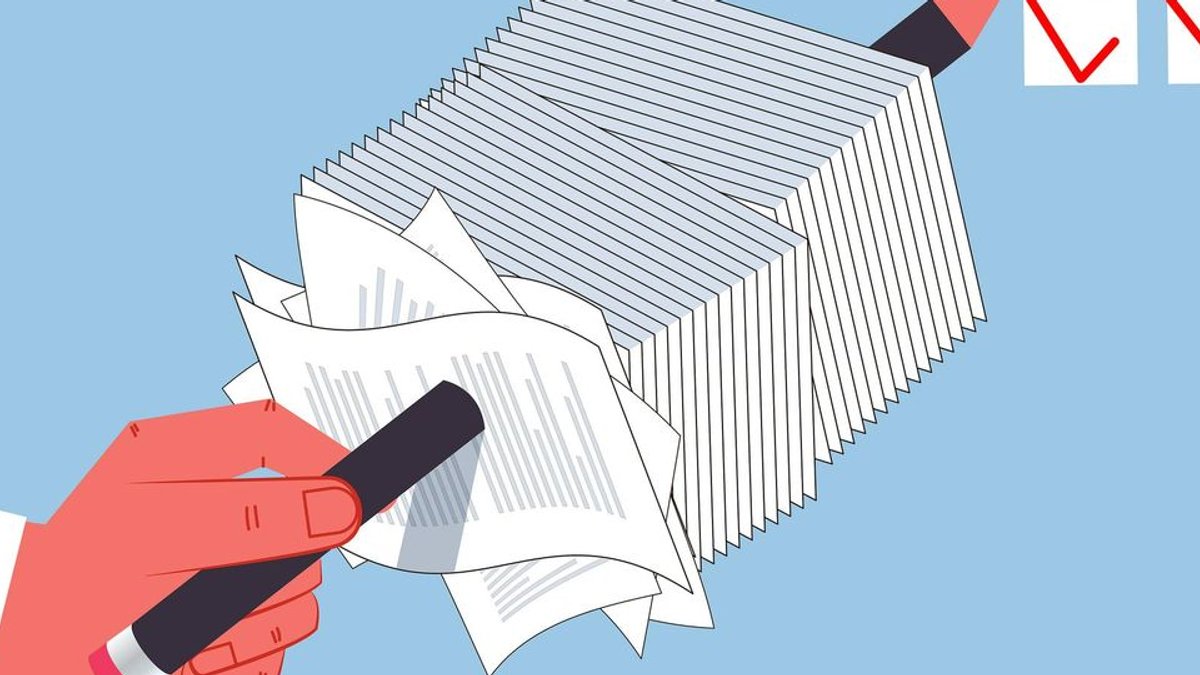
The IEEE has reaffirmed its commitment to research integrity following a review of recent misconduct cases by its publishing ethics team. The organization, which publishes nearly 200 peer-reviewed journals and hosts one of the largest digital libraries in engineering and computer science, stated the effort was part of an ongoing initiative to maintain trust in scientific publishing.
Cases involved plagiarism, duplicate submissions, and fabricated data
The review covered dozens of cases flagged by editors, peer reviewers, and automated tools over the past year. Most involved plagiarism or self-plagiarism, where authors reused their own previously published work without proper attribution. A smaller but more serious portion included fabricated data, image manipulation, and duplicate submissions to multiple journals.
One paper submitted to an IEEE conference contained entire sections copied from a doctoral thesis published two years earlier. The authors had not cited the original work. The submission was retracted, and the individuals received a three-year ban from submitting to any IEEE publication.
A researcher submitted the same manuscript to three different IEEE journals within six months. The duplicate submissions were discovered when the same peer reviewers were assigned to evaluate all three versions. The work was rejected, and the author was barred from submitting new material for two years.
Automated tools now scan every submission
The IEEE has expanded its use of plagiarism-detection software to cover all manuscripts submitted to its journals and conferences. The system compares submissions against a database of published papers, theses, and preprints, flagging potential matches for human review. Since its full deployment in early 2023, the tool has identified over 1,200 cases of suspected misconduct.
Not all flags lead to retractions or bans. Some involve minor oversights, such as missing citations, which can be corrected before publication. However, the system has also detected more serious violations, including papers with entire sections lifted from Wikipedia or other non-academic sources.
Editors noted the software has altered their review process. Limitations remain. False positives occur when the software flags common phrases or standard language, such as methods sections describing routine experimental procedures. Human reviewers must then assess whether the match was intentional.
Bans and retractions are becoming more common
The IEEE’s publishing ethics team has adopted stricter measures against misconduct in recent years. Between 2020 and 2023, retractions across its journals rose by nearly 40%, from 120 to 167. Bans on authors submitting new work have also increased, though exact numbers are not disclosed.
Related: W3C’s Attribution API sparks bias concerns
Retractions now include public notices naming the authors and detailing the misconduct. Previously, such notices were often vague, citing only “ethical concerns” without specifics. The shift aligns with a broader trend in academic publishing toward greater transparency.
Others argue the stricter policies are essential to protect published research. “If we don’t address these issues seriously, we risk undermining the entire peer-review system,” said a senior editor at an IEEE transactions journal. “Readers must trust that what they’re reading is original and accurate.”
The rise of generative AI tools presents a new challenge. While the IEEE has not yet issued formal guidelines on AI-generated content, its ethics team is developing policies to address the matter. For now, the focus remains on traditional misconduct, including plagiarism and data fabrication.
The IEEE’s digital library, IEEE Xplore, contains over 5 million documents, including journal articles, conference papers, and technical standards. The organization’s ethics team reviews every retraction request and misconduct allegation, though the process can take months depending on the case’s complexity. Maintaining networks that always stay online is critical for ensuring these reviews proceed without interruption.

Gravitational Constant Gets New Measurement


