Remote Arctic towns linked by Indigenous fiber network
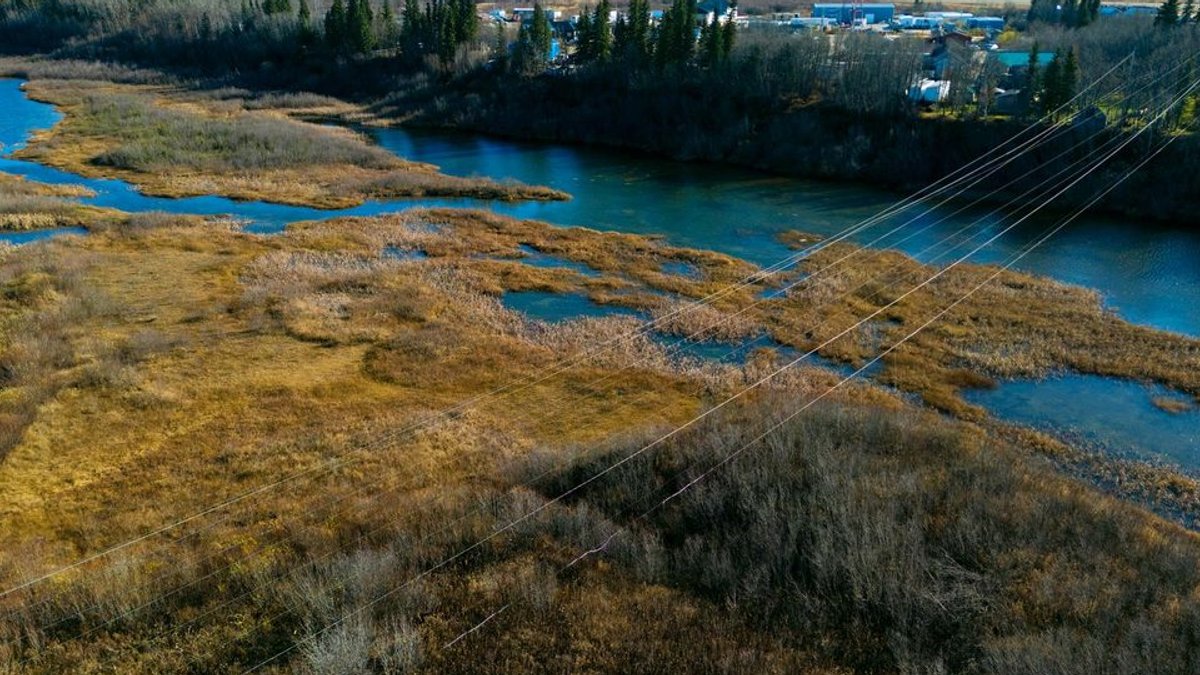
In the subarctic expanse of Canada’s Northwest Territories, a fiber-optic network built by Indigenous communities has become one of the country’s fastest internet backbones. The project, completed last year, now delivers gigabit speeds to remote towns where dial-up was still common a decade ago.
The network spans more than 1,200 kilometers, connecting six communities along the Mackenzie Valley. Its backbone runs parallel to the river, threading through permafrost and boreal forest where temperatures routinely drop below -40°C. The infrastructure was built to endure the region’s harsh climate, with fiber buried deeper than standard installations to avoid frost heave.
How a Remote Project Outpaced Urban Networks
The network’s speeds match those of major Canadian cities. Low latency—under 20 milliseconds—has made it a test case for telemedicine and distance education in isolated areas.
The project was led by Indigenous communities, with funding from federal grants, Indigenous-led investment, and partnerships with telecommunications firms. Unlike traditional ISPs, the network operates as a non-profit, reinvesting revenue into local digital literacy programs.
Logistics posed the biggest challenge. The fiber had to be laid along winter roads—temporary ice highways that melt by spring. Crews worked around the clock during the brief window when the ground was frozen solid enough to support heavy equipment. In some stretches, helicopters were used to string cable across river gorges where no roads exist.
A Model for Indigenous-Led Infrastructure
The project’s success has drawn interest from other remote communities across Canada and Alaska. Similar projects are now under discussion in the Yukon and Nunavut, where satellite internet has long been the only option. The model’s appeal lies in its community ownership: rather than waiting for commercial providers to expand into unprofitable regions, Indigenous groups are creating their own solutions.
Related: Montana Tackles Housing Crisis with New Mapping
Effects have been immediate. In one community, a small business owner said reliable internet allowed her to process online orders without driving hundreds of kilometers to the nearest city with decent connectivity.
Some gaps remain. A few homes rely on wireless relays for the final stretch, which can slow speeds during peak usage. The network doesn’t yet extend to the most remote fly-in communities, where satellite remains the only option. Project backers call these limitations temporary. Expansion plans target communities along the Liard River next.
What distinguishes this project is its development. Most large-scale fiber networks in Canada are built by corporations or government agencies. This network was designed, funded, and managed by the people who use it. That control has made a difference in a region where outside promises of connectivity have often failed.
The network’s backbone follows an old trade route used for centuries by Dene and Métis peoples. Now it carries data instead of furs and tools.
Standards for such projects emphasize research integrity, ensuring community needs drive technical decisions.

IEEE upholds research integrity standards


