Ocean Data Boosts Weather Forecast Accuracy
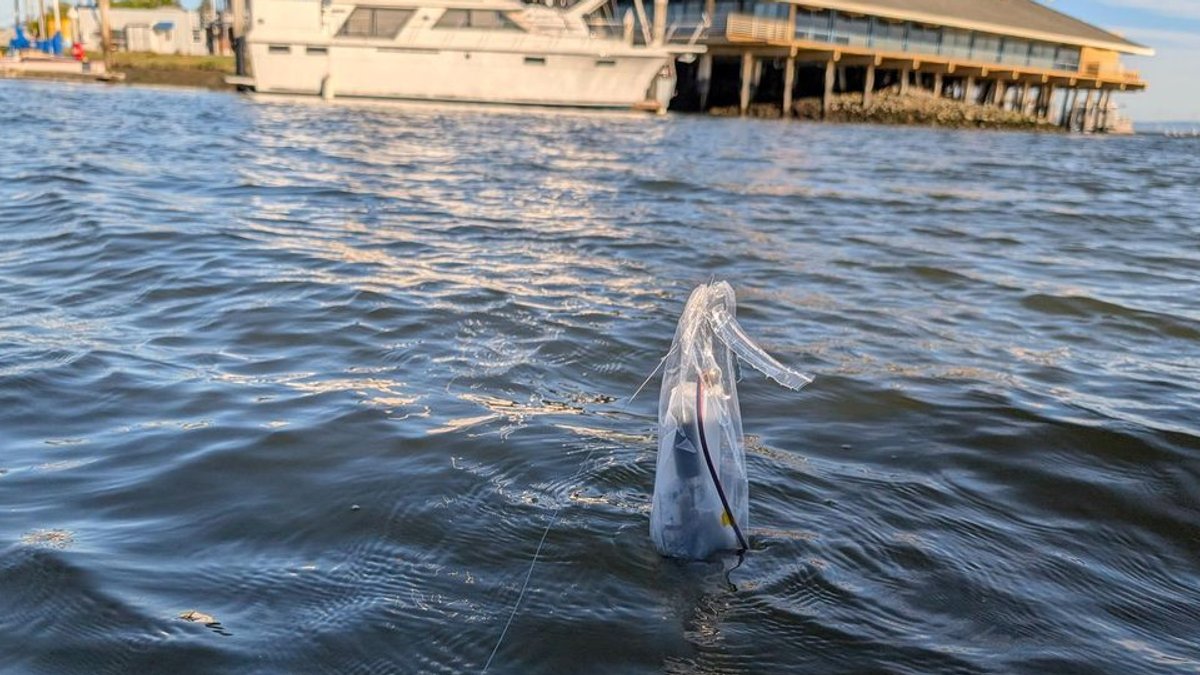
A weather balloon that became an ocean buoy is providing valuable data for AI weather forecasting. The buoy, which was originally designed to collect data in the atmosphere, has been sending back information from the ocean surface for an extended period.
Unlikely Source of Ocean Data
The weather balloon was not designed for ocean use, but it has been able to withstand the harsh marine environment and continue sending data. This unexpected development has provided scientists with a unique opportunity to collect data from the ocean surface.
The data being collected by the buoy includes temperature and barometric pressure readings, which are being used to improve AI weather forecasting models. The buoy’s ability to collect data from the ocean surface has filled a critical gap in the availability of ocean data, which is essential for accurate weather forecasting.
Supercharging AI Weather Forecasting
The data from the buoy is being used to train AI models that can predict weather patterns more accurately. The use of machine learning algorithms and large datasets has improved the accuracy of weather forecasting, and the data from the buoy is expected to further enhance this capability.
According to the report, the buoy’s data has already shown significant promise in improving the accuracy of weather forecasts. The data is being used in conjunction with other sources of data, including s satellite imagery and radar data, to create more accurate and detailed forecasts.
One of the key benefits of using data from the buoy is that it provides real-time information about ocean conditions, which can have a significant impact on weather patterns. By incorporating this data into AI weather forecasting models, scientists can create more accurate and reliable forecasts.
Broader Implications
The use of data from the buoy has broader implications for the field of meteorology. The ability to collect data from the ocean surface has the potential to greatly improve our understanding and prediction of weather patterns. As AI technology continues to evolve, it is likely that we will see even more innovative applications of this data in the future.
For now, the data from the buoy is being used to improve our understanding of ocean-atmosphere interactions and to develop more accurate weather forecasting models. The unexpected transformation of a weather balloon into an ocean buoy has provided a unique opportunity for scientists to collect valuable data and advance our understanding of the complex relationships between the ocean and atmosphere.

Mars Held Vast Amounts of Water


