Trump Administration Backs OpenAI in Times Copyright Suit
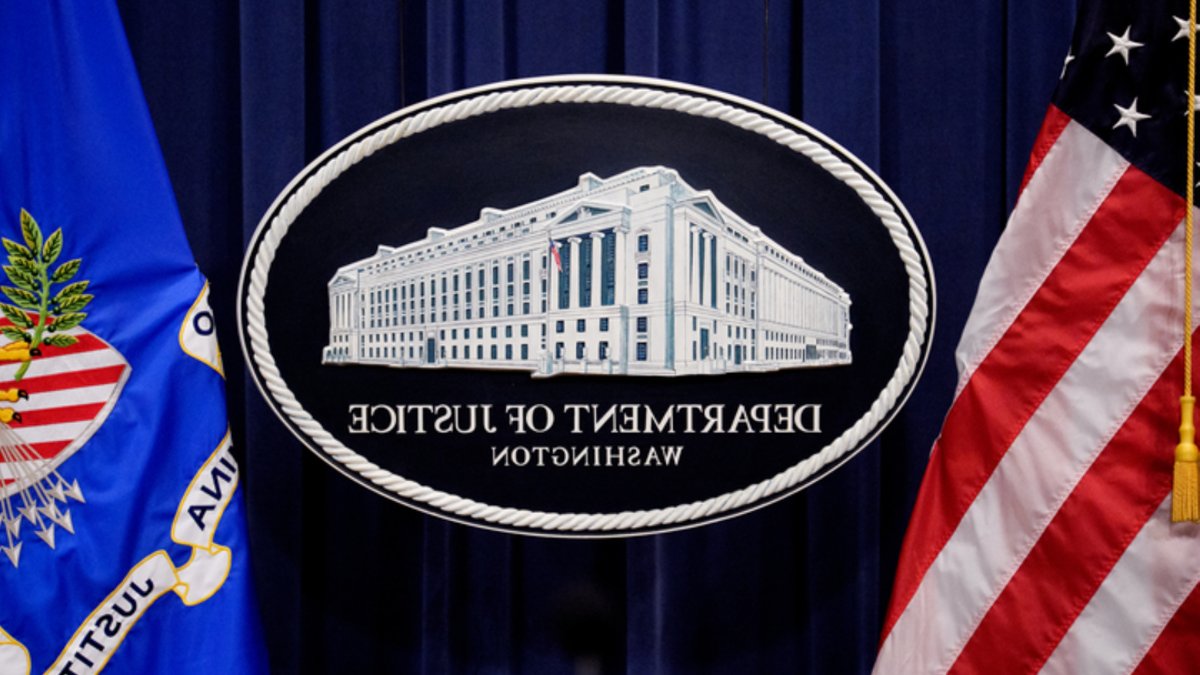
The US Department of Justice has entered the copyright dispute between OpenAI and The New York Times, telling a Manhattan federal court that training large language models on copyrighted text qualifies as fair use under US law. The brief was filed Tuesday with US District Judge Sidney Stein in the Southern District of New York.
First Federal Position in AI Copyright Cases
This marks the first time the federal government has formally stated its position in the ongoing series of copyright lawsuits brought by authors, publishers, music labels, and news organizations against AI companies. The DOJ called the filing a statement of interest, meaning it does not have binding legal authority.
Federal agencies use statements of interest to outline the government’s position in a case without becoming a party to the lawsuit. Government lawyers argue that large language models do not copy the text they train on. Instead, the models use the material to develop general reasoning and language abilities, which the brief describes as “extraordinarily transformative” under fair use law.
Related: Activision Serves Cheat Seller with Cease Order
The filing also points to national interests, including scientific research and national security. “The United States has a strong interest in this court rejecting any argument that training LLMs on copyrighted texts violates copyright law,” the brief states. The brief highlights research uses, noting that “LLMs are already helping researchers across fields achieve major breakthroughs.” It also warns that limiting fair use could have economic consequences.
Copyright questions around AI training have broad implications beyond this single case. Companies building these systems generally rely on the argument that their practices transform copyrighted material into something fundamentally different, a position that has drawn both support and skepticism from courts.
Background of the Lawsuit
The Times sued OpenAI and Microsoft, OpenAI’s largest financial backer, in late 2023, alleging the companies used millions of its articles without permission to train the models behind ChatGPT. Court records show the case has since merged with related claims from several other newspapers against the same defendants.
The Times case is among dozens of similar lawsuits filed against AI developers, including OpenAI, Meta Platforms, and Anthropic, by copyright holders who argue their material was used without consent or payment. Two federal judges who reviewed comparable fair use questions in 2025 reached conflicting conclusions, and no appellate court has resolved which standard applies to AI training.
Related: ChatGPT Conversations Enter Courts as Evidence Without Privilege
OpenAI has said its models are trained on publicly available data and rely on longstanding fair use principles, a position the company has laid out on its website addressing the lawsuit. Spokespeople for the White House, OpenAI, and The New York Times did not respond to requests for comment.
What Remains Unresolved
A statement of interest carries no binding legal authority. Judge Stein will decide independently whether OpenAI’s training practices meet the fair use standard. US copyright law weighs four factors in that analysis: the purpose and character of the use, the nature of the copyrighted work, the amount of material used, and the effect of the use on the market for the original work.
The DOJ brief outlines the government’s view but does not bind the court. With two federal judges reaching different conclusions on similar fair use questions in 2025 and no appellate court decision yet, the outcome of the Times case and the broader issue of fair use for AI training remain unresolved. It is not clear how much weight the court will give to the government’s statement.

Activision Serves Cheat Seller with Cease Order


