Antler’s founder bets on Africa’s long-term potential
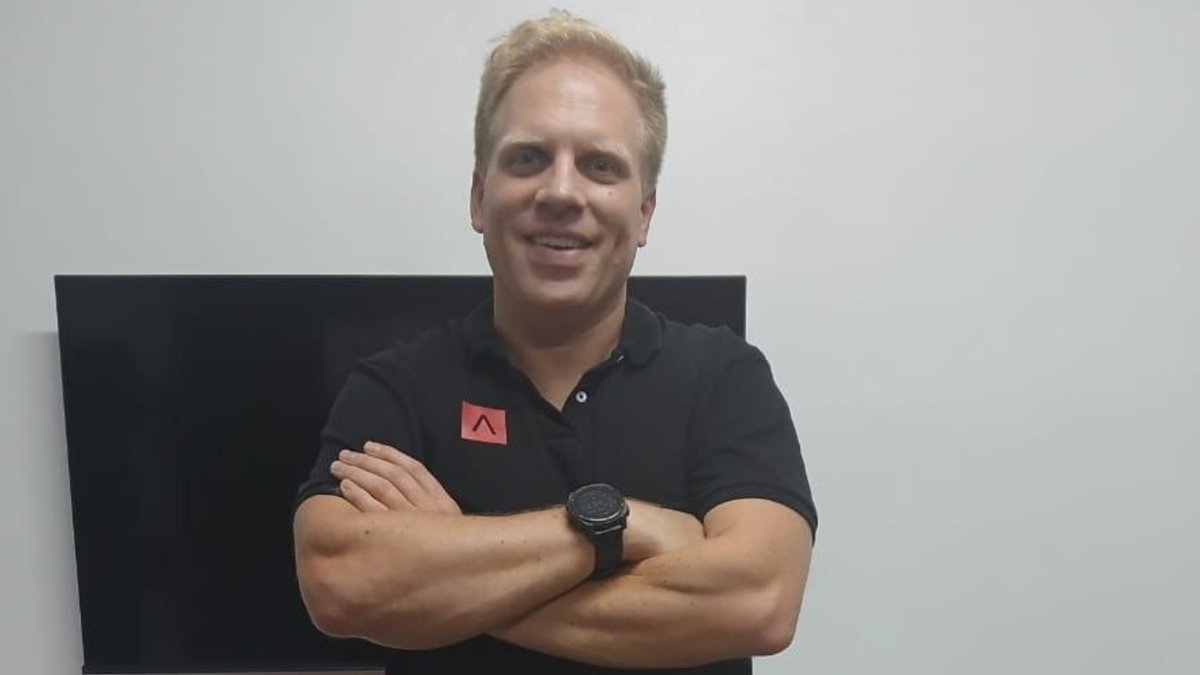
Magnus Grimeland rejects short-term thinking in venture capital. When asked how Antler—one of the world’s most active pre-seed investors—handles Nigeria’s tech scene amid the 2027 election uncertainty, his response was direct: “In venture, we are making ten-year bets. Whether there’s an election two months down the line, or one year, or two, it doesn’t matter to us. No founders ever built through easy times.” This mindset stems from decades of experience. Grimeland founded Antler in 2017 after spending 26 years across Africa, from North Africa to Ethiopia, Kenya, Tanzania, Zambia, and South Africa.
What resonated most wasn’t economic data but a simple truth: “You have a tremendous amount of people who want to take a step up in life,” he said. “If you go to certain parts of Europe right now, people are just happy to live the most comfortable life they can and then retire. In Africa, there’s a whole generation that wants to, throughout their lifetime, take a step up from where they were when they were born. And that creates a tremendous amount of entrepreneurship.” This insight shaped Antler’s African expansion. Grimeland’s background defies convention. Before Harvard and McKinsey, he served in Norway’s naval special forces, a role that taught resilience in adversity—qualities now applied to founders.
His tenure in emerging markets, including as COO of Global Fashion Group after co-founding Zalora in Southeast Asia, honed his ability to identify exceptional talent. By 2017, his thesis was clear: the ideal time to back a founder is day zero, before product development, polished pitches, or proven track records. Today, Antler operates in over 25 cities and has made more than 2,000 investments. It ranks as the world’s most active venture firm in 2024, with portfolio companies like Airalo, an eSIM marketplace that raised $220 million at a valuation exceeding $1 billion in July 2025, and Lovable, an AI app builder valued at $13.3 billion in August 2026.
Yet Africa holds the greatest promise for Grimeland. The continent’s story began in Nairobi in 2019, where Antler opened its first African office. The choice wasn’t based on market size but on trust in individuals. Marie Nielsen, a partner at Antler East Africa, was the linchpin. “We launched Nairobi first because I knew Marie and a few people who were part of that team over a long period of time,”he said. “And I knew they would deliver incredibly well.” Lagos followed for the same reason: the need for the right leader.
That person was Lola Masha, now a partner at Antler Africa. The Lagos programme ran its first cohort in 2025 and picked 24 founders from more than 7,500 applications, a selection rate below one percent. The strongest teams get $100,000 in pre-seed funding for a 10% stake, and Antler keeps the option to follow on through Series C. In October 2025, Masha said Antler had committed more than $700,000 in pre-seed funding that year, and that 42% of the founders selected in the early Lagos and Nairobi cohorts were women.
The first Lagos portfolio has three companies: Cubbes, an AI-powered edtech platform for university students that says it has reached more than 50,000 students in Nigeria and Uganda; Forti Foods, which makes fortified ready-to-eat meals that need no cooking or refrigeration, for defence, humanitarian and institutional buyers; and Raba, which lets equipment dealers offer lease-to-own financing to SMEs and shifted from consumer to business customers during the programme. Grimeland expects the pace to pick up. In his remarks, he said Antler is heading for a record year by number of investments, probably 15 to 20 of them. As of October 2025, Antler Africa had backed seven companies across Lagos and Nairobi.
Over the next five years, he said later, “We’re definitely going to back 100 new companies in Africa,” and “Probably 50 to 100% more.” He also told the room Antler wants to be able to give “people who are building more industries” more capital.
He doesn’t think of it as a programme, but as a flywheel. “Once you have great companies in your portfolio, those companies will attract the next generation of founders. You get better founders, even better companies, better returns, access more capital, we can invest more back into the team, we have even better founders. And the flywheel is running.” “I always like to say the only way we will be successful is if you are incredibly successful,” he said.
“I believe we all have the same goal. If there are things we can improve, things we can do better, give us feedback.” What does a founder get besides funding from Antler? Grimeland answered with Airalo. The first thing Antler did, he said, was find a co-founder through its network. Then came the practical problem of running an eSIM marketplace: it needs contracts with telcos around the world.


