Apple delays next iPhone release amid supply concerns
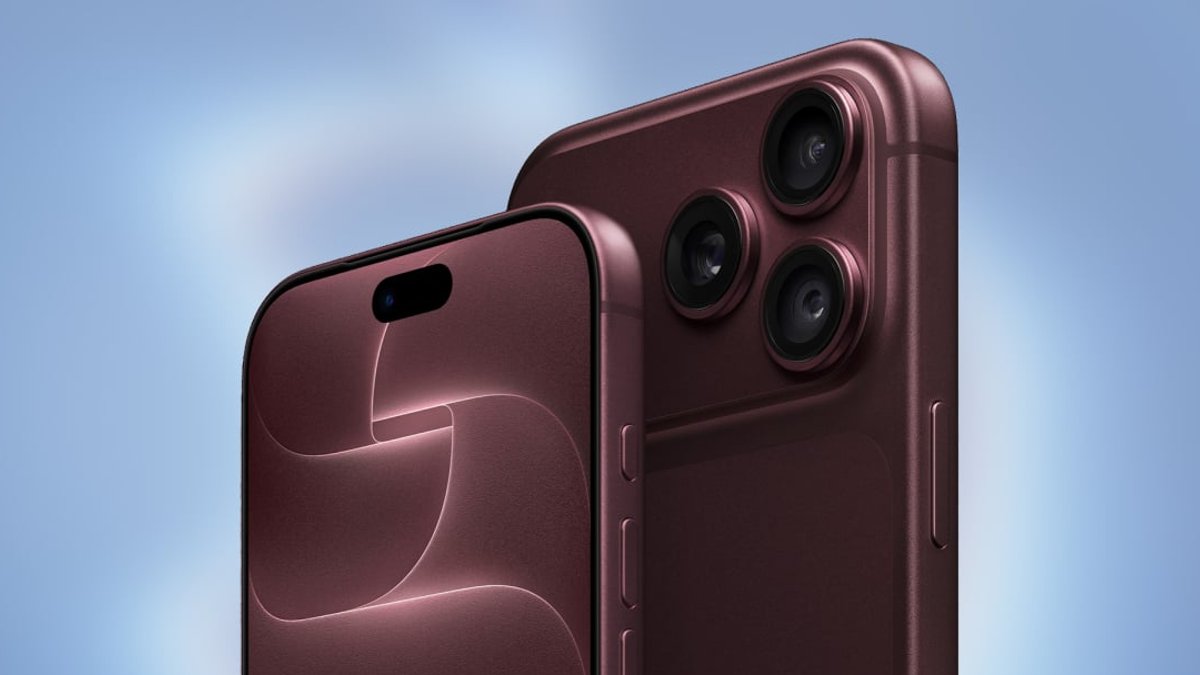
Apple’s most recent product showcase excluded the standard iPhone 18 for the first time since 2013, a deliberate choice that broke from tradition. Earlier reporting by Mark Gurman in November 2025 had already signaled this change, indicating Apple was intentionally spacing out iPhone releases to balance revenue streams and ease promotional strain. His sources confirmed the iPhone 18 would debut later in 2026 rather than September.
The strategy represents a calculated shift in Apple’s release cycle. Historically, the company has introduced mid-range and budget iPhones in early spring—examples include the iPhone SE in March 2016 and the iPhone 16e in February 2025. This year’s event centered exclusively on the iPhone 18 Pro, Pro Max, and the folding iPhone Duo, with no reference to the standard model. Even the event’s branding, “Surprise and Shine,” suggested a pared-down lineup.
Competitive pressures may also explain the timing. Analyst Ming-Chi Kuo observed in May 2025 that Asian rivals like Samsung often unveil flagship phones in the first half of the year. By postponing the iPhone 18, Apple sidesteps direct competition, framing its own devices as the year’s final must-have upgrades.
The standard iPhone 18 remains in development, now expected in March 2026 alongside the iPhone 18e and the iPhone Air 2. This aligns with the pattern set by the iPhone 17e and the original iPhone Air, which launched in September 2025 as part of a staggered rollout. The iPhone 18 is projected to feature an A20 chipset, expanded RAM, a smaller Dynamic Island, and support for up to three Live Activities—features previously reserved for Pro models.
Read Also: Onimusha game smashes sales records worldwide
This approach isn’t new for Apple. The company has released budget-focused iPhones in February-March-April for a decade, with examples like the iPhone SE in March 2016 and the iPhone 16e in February 2025. Shifting the iPhone 18 to early 2026 avoids the logistical challenge of launching three major iPhones in September while allowing Apple to respond to market conditions.
Why Apple Skipped the iPhone 18 This Year
Apple’s omission of the iPhone 18 from this event follows recent patterns. The company frequently manages product rollouts strategically, and rumors about the iPhone 18 have circulated for months. What stands out this time is the complete absence of any mention—no post-event hints, no vague promises. However, given Apple’s history, the delay appears intentional. The standard iPhone 18 will arrive when it’s fully ready.
Apple’s decision also signals a broader adjustment in how it manages its product ecosystem. The company has increasingly prioritized modular updates and staggered releases to maintain consumer interest without overwhelming the market. By spreading out launches, Apple can allocate resources more efficiently while keeping each product’s debut fresh.
The iPhone 18’s delayed introduction could also reflect internal confidence in its specifications. Rumors suggest the model will bridge the gap between the Pro lineup and the budget-friendly Air series, offering performance upgrades without the premium price. This positioning may appeal to a broader audience, particularly in regions where Pro models face higher taxes or price sensitivity.
Supply Chain and Foldable Tech Testing
Industry observers note that Apple’s strategy reduces the risk of supply chain bottlenecks. Launching fewer models at once allows for smoother production scaling, especially for components like the A20 chip and new display technologies. The company may also be testing consumer reaction to the folding iPhone Duo before committing to broader adoption of foldable designs in future standard models.
Read Also: Google Play Store to Add Pause and Resume for App
For now, the focus remains on the iPhone 18 Pro and Pro Max, which received the full spotlight. Both models are expected to set new benchmarks in camera technology, battery life, and software integration. The Pro Max, in particular, may introduce advancements in materials and durability, catering to users who prioritize longevity over cutting-edge features.
Apple’s approach contrasts with competitors that release multiple product lines simultaneously. By staggering launches, the company can tailor marketing efforts to different customer segments, flagship buyers in September, value-conscious shoppers in spring, and early adopters through pre-orders. This segmentation may help sustain sales momentum throughout the year rather than relying on a single quarterly spike.
March 2026 Launch Breaks Tradition
The iPhone 18’s eventual release in March 2026 will mark the first time in years that Apple has introduced a standard iPhone outside the traditional September window. This shift shows the company’s willingness to adapt its release cycle based on market trends rather than rigid tradition. For consumers, the delay means a longer wait but potentially a more polished product when it arrives.
Apple’s decision to omit the iPhone 18 from its latest event sends a clear message: the company is no longer bound by annual launch rituals. The move reflects a broader industry trend toward flexible release schedules, where timing is dictated by innovation readiness rather than calendar conventions. As the technology sector evolves, Apple’s strategy may set a new standard for how major hardware manufacturers manage product lifecycles.

Onimusha game smashes sales records worldwide


