China Remains Tough for Ad Giants
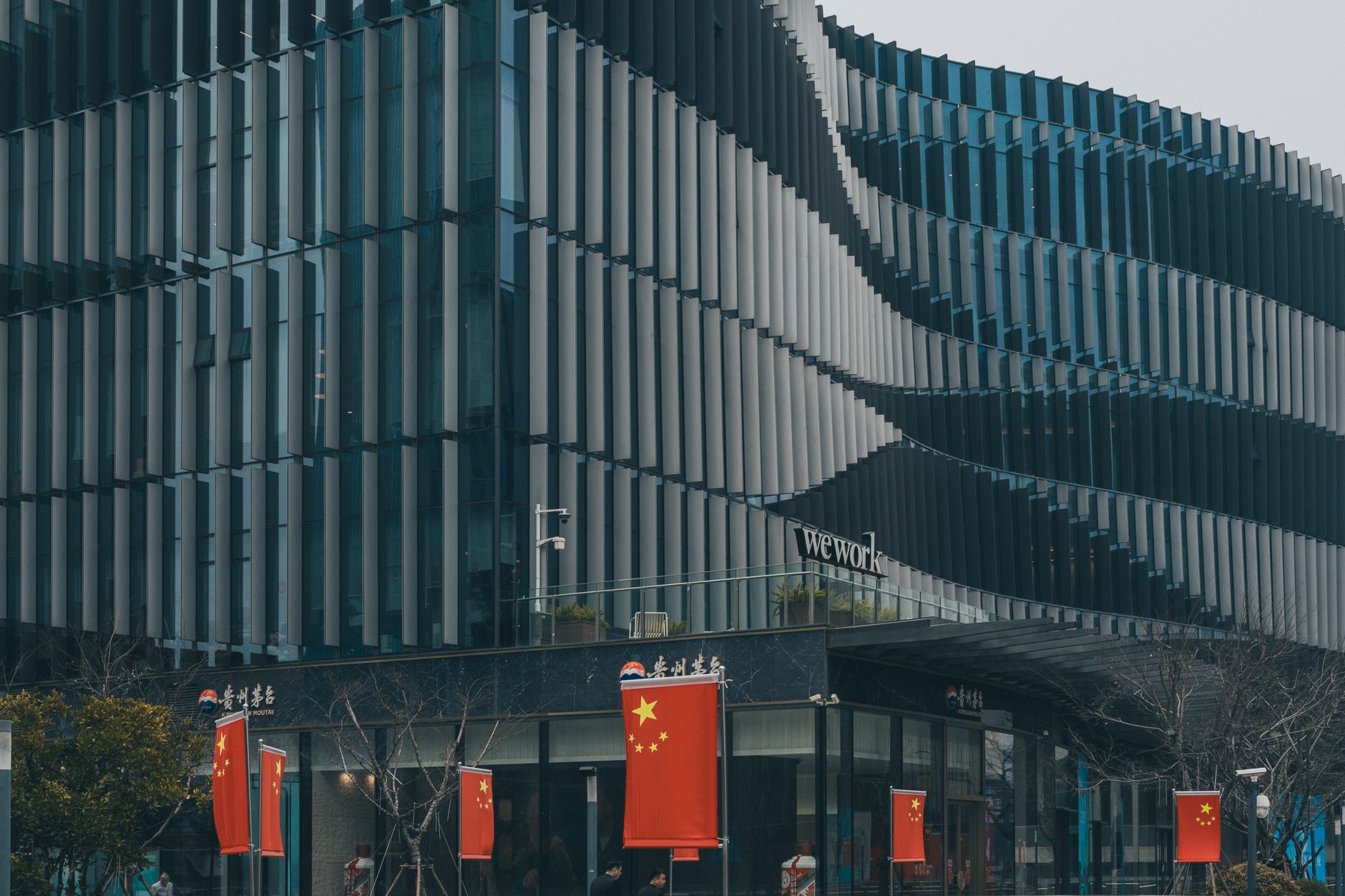
China remains a challenging market for holding companies, with the recent sentencing of a former WPP Media executive on bribery charges and the collapse of Meta’s acquisition of AI company Manus highlighting the limitations of the ad dollar’s ability to expand into the country.
A decade ago, holding company chiefs looked to China’s growing economy and massive consumer base as a potential source of sustainable growth, but the market has proven difficult to crack.
Western creatives and media planners have struggled to adapt to China’s unique market, where superapps, Singles Day, and key opinion leaders play a significant role in shaping consumer behavior.
In 2015, then-WPP boss Sir Martin Sorrell declared himself a supporter of the Chinese economy, but the company’s revenue in the country has since contracted, falling 12.2% in the first quarter of this year.
The global pandemic has contributed to this reversal, but the long-term shift among Chinese advertisers away from traditional channels like television and toward e-commerce, key opinion leaders, and platforms has been a major factor.
According to data, WPP Media still holds the greatest market share in China, at 8.4%, but saw billings contract 5.5% in 2025.
Dentsu and Havas also saw billings fall, while Omnicom and Publicis Groupe were the exceptions, with Omnicom’s market share standing at 4.2% and billings rising 3.6%.
Publicis Groupe enjoyed 13.6% billings growth in 2025, bringing its market share to 8.2%, close to WPP’s.
The French company’s success in China can be attributed in part to its ability to capitalize on the woes of its closest rival, WPP, which was embroiled in a bribery scandal in 2023.
Agency holdcos have responded to the challenges in the Chinese market by reshuffling their leadership and launching bespoke platforms.
Publicis moved to hire Jane Lin-Baden as its Asia-Pacific boss in 2022, while WPP brought aboard a client-side exec, former Shiseido svp Tina Chen, as its China CEO in March.
Omnicom recently refreshed its Chinese leadership structure, promoting former PHD boss Joey Zhao to lead its overall media operation in China.
Related: Creators reshape Hollywood but hit limits
Despite these efforts, the tide of advertiser cash continues to flow towards social platform companies, with digital channels accounting for 86% of Chinese media spend.
The eight digital platform companies, including Alibaba, ByteDance, Tencent, and Baidu, account for 85% of all digital media spending in the country.
For those hoping to apply lessons from China to the U.S. and European markets, the situation is daunting, with the shift towards e-commerce, key opinion leaders, and platforms presenting significant challenges for agency holdcos.
As one consultant noted, the bribery scandal and subsequent sentencing of former WPP exec Di Fei provided an opportunity for Publicis to gain ground in the Chinese market.
Publicis seized this chance, winning the account of KFC parent firm Yum Brands, one of the largest advertisers in China, in early 2024.
In the long run, the scandal has increased client scrutiny of agencies’ media transparency practices, said Greg Paull, co-founder of R3 China.
Competition from domestic agencies skilled with digital channels has also contributed to tougher conditions, with talent leaving to start local agencies and marketing fragmenting to specialist agencies.
Even Chinese companies have struggled amid a market-wide shift in media spending, with Zhewen, BlueFocus, and Hylink all seeing billings fall in 2025.
Chinese media budgets fell between 2024 and 2025, according to data, with digital channels sucking up most of Chinese media spend.
The KOL market in China represents a significant portion of global influencer spending and a notable percentage of total ad spend in the country, highlighting the significant role that key opinion leaders play in shaping consumer behavior, particularly in the context of media spending.
As the market continues to evolve, it’s likely that agency holdcos will need to adapt and find new ways to handle the market.
They must develop strategies to effectively compete with domestic agencies and social platform companies.

What Is LLM Honeypotting and Why It Matters


