Kenyan Startup KulaMtaani Digitizes Street Food Vendors
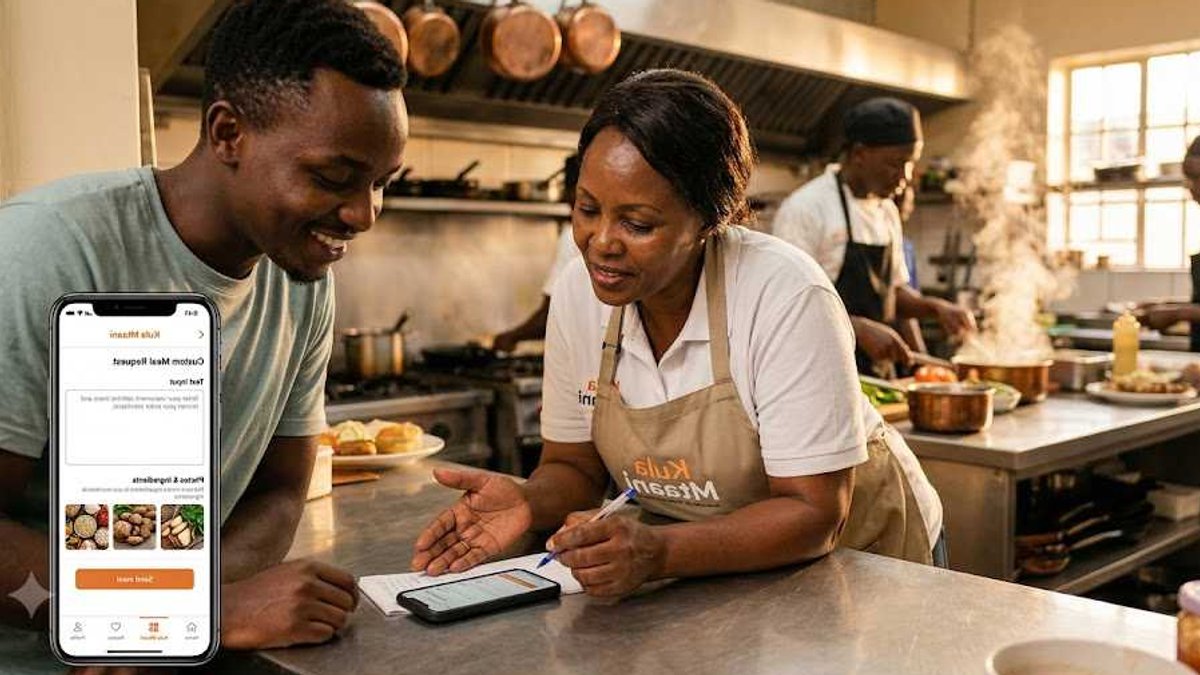
Kenyan tech founder Brian Otieno launched KulaMtaani in June 2025 with the goal of giving small food businesses a single digital hub for orders, sales and supply management.
Addressing fragmented operations
Many Nairobi-area restaurants, street vendors and private chefs still rely on WhatsApp, phone calls and handwritten logs to track daily activity. This creates missed orders, duplicated effort and limited insight into performance.
KulaMtaani bundles a storefront, order queue, point-of-sale screen and delivery scheduler into one web-based interface. A separate module lets owners generate purchase orders, compare supplier quotes and monitor inventory levels without leaving the platform.
The system also tailors workflows to different business models. A sit-down eatery can prioritize table turnover data, while a mobile vendor focuses on online order alerts and route planning for deliveries.
Early market response
Since its debut, the platform has been trialed by more than 70 food operators around Nairobi. Participants report that consolidating tools reduces the time spent switching between apps and improves order accuracy.
Read Also: Kenyan app turns informal “I know a guy” networks into
Initial feedback highlighted the need for simplicity and low subscription fees. Owners said they would adopt a solution only if it demonstrably cut administrative overhead and helped attract repeat customers.
Funding for development has come largely from Otieno’s personal savings. Balancing feature rollout with the need to attract and train new merchants has required careful budgeting and a phased release strategy.
Future milestones include expanding the supplier marketplace, refining analytics dashboards and extending service coverage beyond the current pilot zones.
Design philosophy and functional scope
Through a unified web interface, the platform merges storefront display, order intake, sales recording and delivery routing into a single workflow.
Long-term goals include linking food merchants with a broader network of suppliers, delivery partners and customers across other African markets.


