China recalls nearly 3 million Tesla cars over door handles
Chinese regulators have ordered Tesla to recall nearly three million vehicles in the country due to safety concerns over hidden door handles that could hinder emergency evacuations.
The recall affects models with emergency mechanical handles that blend into the interior trim, making them difficult to locate and operate during a crash. Authorities stated that if a vehicle’s low-voltage system fails in a severe collision, occupants may struggle to open the doors, delaying rescuer access.
Regulators demand fixes for hidden door handle risks
Tesla plans to address the issue with two changes: adding warning labels to highlight the emergency handles and releasing an over-the-air software update. The update will include a feature that automatically lowers windows after a crash, offering an alternative escape route or access point for first responders.
Chinese authorities said the recall applies to vehicles where the door handles match the interior color, creating a safety hazard. The regulators did not provide a timeline for when the software update would reach all affected vehicles.
Related: Final Fantasy 11 Offers Extended Free Trial
This is not the first time Tesla’s door design has drawn criticism. In 2025, Tesla was sued over allegations that a design flaw prevented occupants from escaping after a crash. The company has also faced allegations that occupants of a Cybertruck were trapped after a crash due to the door handle design.
China moves to ban hidden handles on new models by 2027
Other automakers are also affected. Xiaomi was ordered to recall nearly 400,000 of its SU7 electric vehicles for the same issue. These recalls coincide with China’s plan to ban hidden door handles on all new models starting in 2027.
The upcoming rule will require all vehicles to have visible, mechanical door handles inside and out. Regulators argue that hidden or button-operated handles slow evacuations, especially when every second matters. The policy reflects a stronger focus on safety standards for electric vehicles, which often favor minimalist designs over traditional functionality.
While China’s decision targets a specific design trend, it may influence other countries. No similar regulations exist elsewhere yet, but the recalls could push automakers to adjust designs preemptively to avoid future compliance problems.
Related: She Launches First AI Institute at HBCU
Tesla has not said whether it will modify its global vehicle lineup in response to China’s new standards. The automaker typically uses over-the-air updates to address safety concerns, avoiding hardware recalls. This strategy may not work if other markets adopt comparable rules.
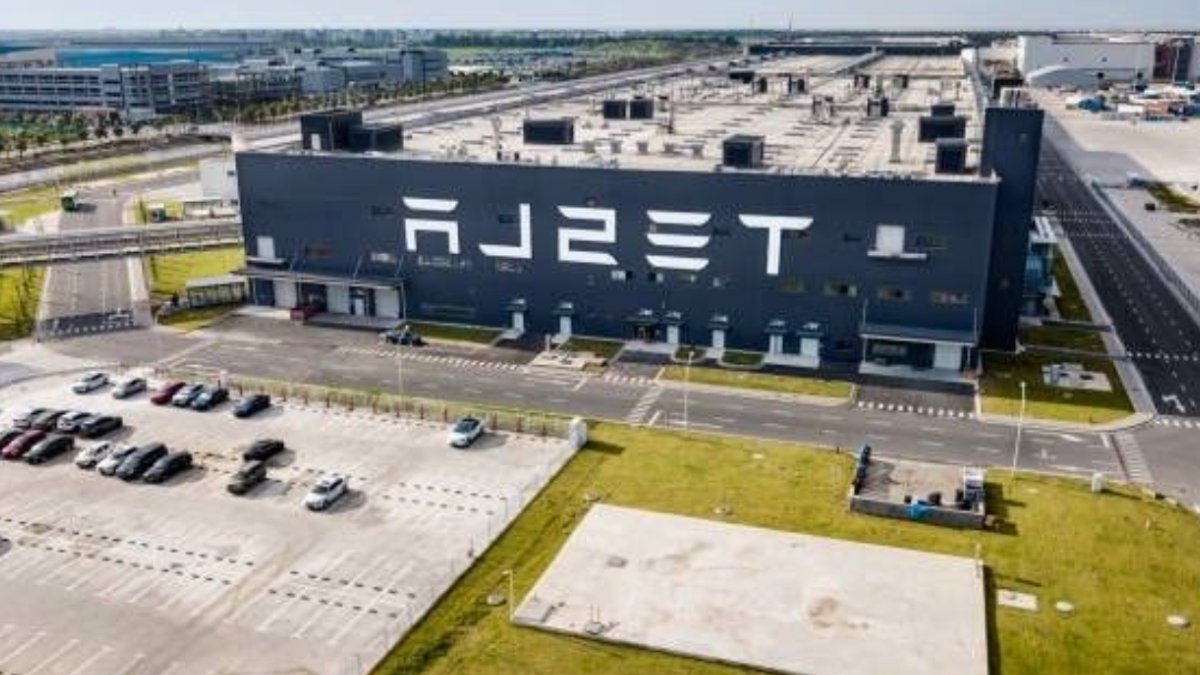
The recall applies to vehicles sold in China, where Tesla runs a major factory in Shanghai. The company has faced regulatory hurdles there before, including data privacy issues and competition from local EV manufacturers.
Owners of affected Tesla and Xiaomi vehicles in China will receive the software update and warning labels as part of the recall. The broader impact of the 2027 ban remains uncertain, but it marks a shift toward safety over design in one of the world’s largest auto markets.

Final Fantasy 11 Offers Extended Free Trial


