Tech leader boosts women in industry
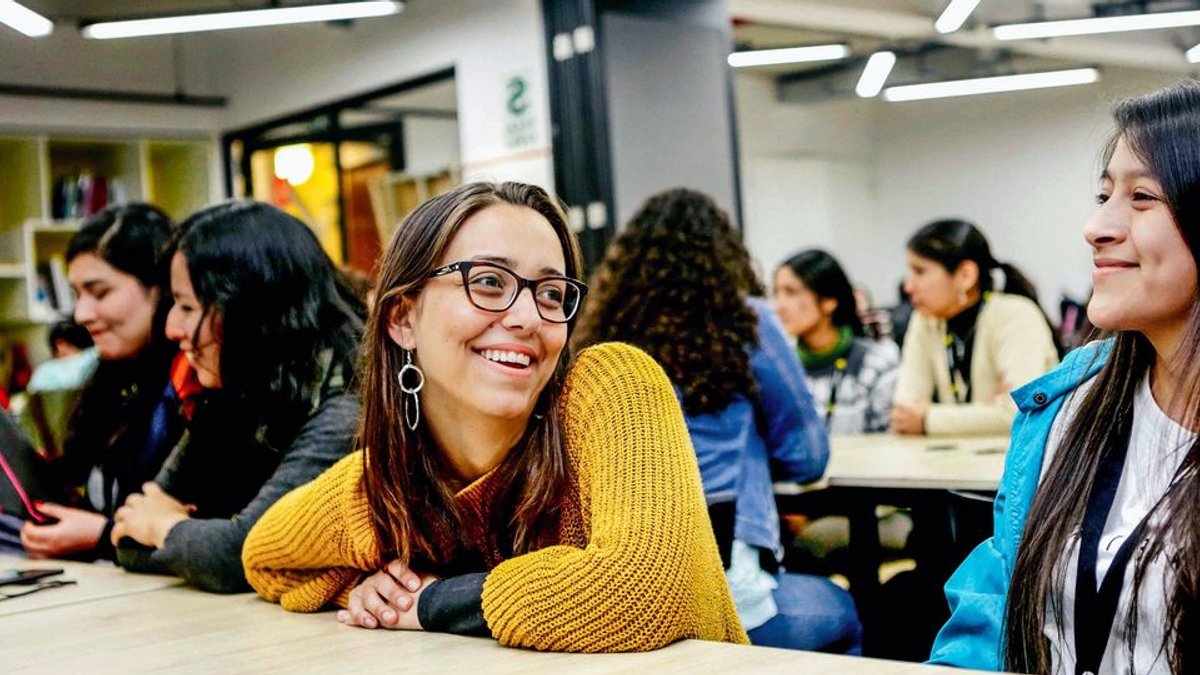
Mariana Costa did not set out to create a coding school. She launched Laboratoria in 2014 after returning to her native Peru from the U.S., where she had worked in international development. What started as a small pilot in Lima became one of Latin America’s largest tech training programs for women, with graduates now employed at companies like Google, Microsoft, and regional startups.
From a single classroom to a regional network
Laboratoria now operates in six countries—Peru, Mexico, Chile, Brazil, Colombia, and Ecuador—and has trained over 3,500 women. The program focuses on young women from low-income backgrounds who lack access to traditional higher education. Over six months, participants learn front-end development, UX design, and essential skills like teamwork and problem-solving. The curriculum is project-based, with students building real applications from the first week.
Tuition payments begin only after graduates secure their first tech job, when they contribute a percentage of their salary for two years. Data shows 85% of graduates find employment within six months, earning an average of three times their previous income. The model has drawn support from Google.org, the Inter-American Development Bank, and local governments.
Related: AI Impacts CTO Succession Plans
Scaling beyond bootcamps
Laboratoria’s approach extends beyond technical training. The program includes mentorship, career counseling, and connections to hiring partners. Many graduates return as mentors or instructors, creating a self-sustaining cycle.
Some critics argue that bootcamp-style programs cannot replace formal education, particularly for specialized roles like machine learning or cybersecurity. Laboratoria recognizes this limitation but highlights its results: graduates often begin in junior positions and advance to mid-level roles within two to three years.
The tech industry’s gender gap makes programs like this especially important. In Latin America, women hold about 30% of tech jobs, according to a 2022 report. The disparity grows in leadership roles, where women occupy less than 20% of positions. Laboratoria’s model helps address the imbalance, though it cannot solve the problem alone.
Costa acknowledges Laboratoria is not solving the gender gap single-handedly. “This is a systemic issue,” she said. “But if we can show that women from different backgrounds can thrive in tech, we might change a few minds.”
Related: Why Every Great Team Needs Different Personalities
Expansion has brought challenges, including cultural resistance in some regions and the need to tailor curricula to local job markets. In Brazil, the program added Portuguese-language content and partnered with local tech hubs. In Colombia, it collaborated with the government to align training with national digital skills initiatives.
The organization continues to grow. It plans to open new centers in Central America and the Caribbean within two years, aiming to train 10,000 women by 2027. For Costa, the mission remains clear: “We’re not just teaching women to code. We’re giving them the tools to build the future.”
A single classroom became a movement.

AI Impacts CTO Succession Plans


