Why Every Great Team Needs Different Personalities
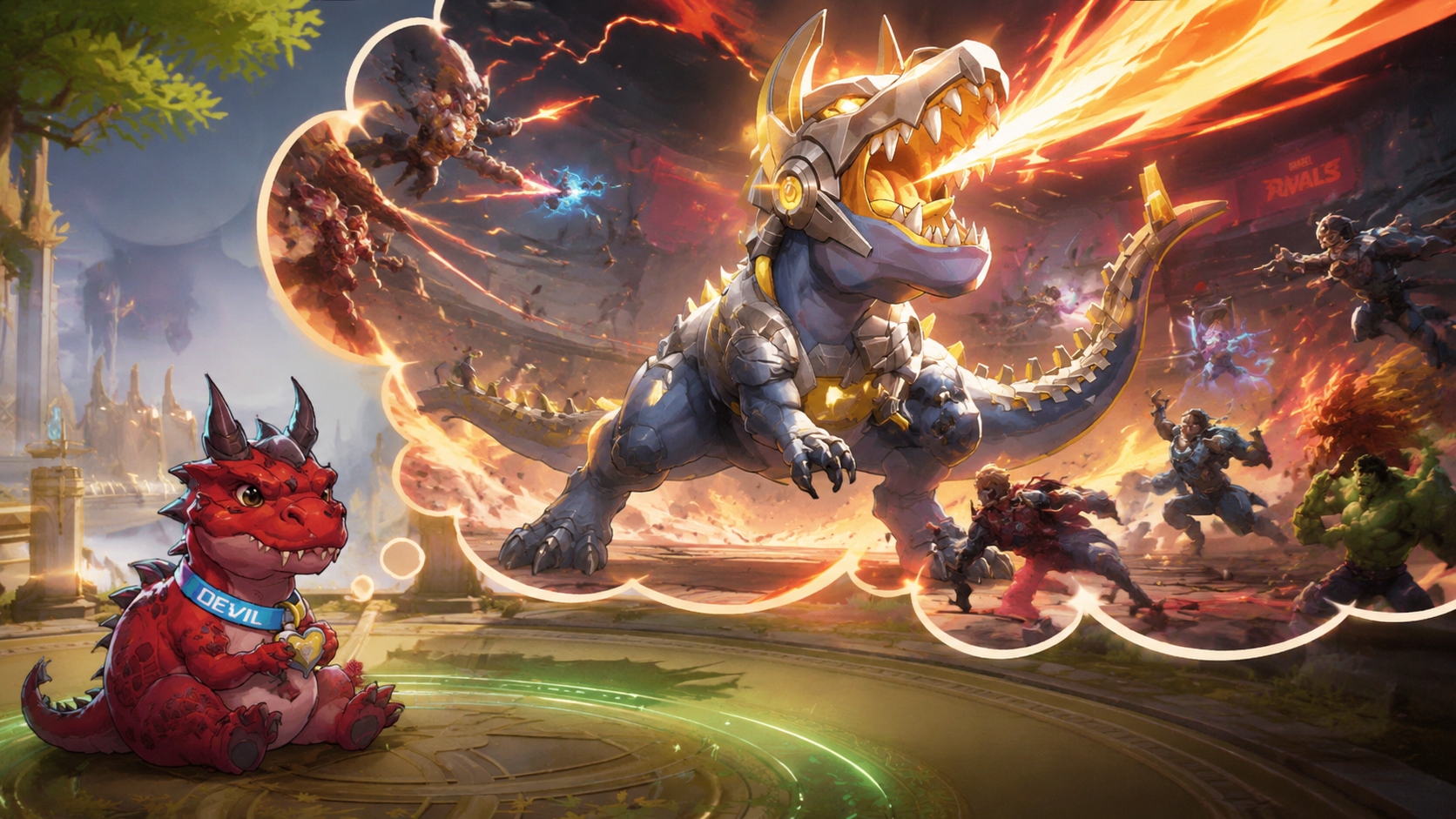
Great Teams Are Never Built from Identical People
Think about some of the most memorable teams in popular culture. The Fellowship in The Lord of the Rings succeeds because every member contributes something unique. Sherlock Holmes and Dr. Watson solve mysteries not because they think alike, but because their strengths complement one another. Even in superhero stories, the most successful groups are made up of very different personalities working toward the same goal.
This idea reflects something we see in everyday life as well. Whether it’s a sports team, a workplace project, or a group of friends planning a trip, success rarely comes from everyone having the same skills. Great teams need leaders, planners, creative thinkers, reliable supporters, and people willing to take calculated risks. Diversity of roles often becomes the biggest advantage.
Why Games Reflect Real Teamwork
Modern multiplayer games have become surprisingly good at recreating these dynamics. Instead of simply rewarding quick reflexes, many games encourage communication, cooperation, and strategic thinking.
One of the best examples is Overwatch. Rather than asking every player to eliminate opponents, the game divides heroes into different roles. Some characters protect teammates, others focus on dealing damage, while support heroes keep the entire team alive and create opportunities for victory. Winning usually depends less on individual statistics than on how effectively these different personalities work together.
That balance makes every match feel different. A coordinated team with average mechanical skill can often outperform a group of individually talented players who fail to cooperate. This emphasis on teamwork has remained one of Overwatch’s defining strengths since its release.
Different Heroes for Different Players
Another reason Overwatch remains popular is that almost everyone can find a hero matching their preferred style. Some players enjoy taking responsibility as tanks, standing at the front and protecting their teammates. Others prefer the precision of damage heroes or the satisfaction of helping the entire team succeed as support characters.
Because each role requires a different mindset, players naturally develop unique strengths over time. Learning how those roles interact is just as important as mastering any individual hero.
Competitive play builds on these ideas through a structured ranking system. Players who want to better understand how skill ratings, matchmaking, and competitive progression actually work can explore the Overwatch Ranking System, where concepts such as SR, MMR, and ranked progression are explained in much greater detail.
Learning Together Is Often Faster Than Learning Alone
Like many competitive activities, Overwatch rewards experience. Players gradually improve their positioning, communication, timing, and understanding of team compositions. While practice remains the most important teacher, many people prefer learning from someone who has already mastered the game.
For that reason, Overwatch coaching has become a popular option among players who want to improve efficiently. Rather than spending dozens of hours repeating the same mistakes, coaching provides personalized feedback, identifies weak points, and helps players develop better decision-making. Many players find that a few guided sessions save far more time than trying to solve every problem alone.
Progress Means Different Things for Different Players
Not everyone approaches competitive games with the same goals. Some enjoy climbing the ranked ladder as a long-term challenge, while others simply want to experience higher-level matches, unlock seasonal rewards, or play alongside friends in a similar skill bracket.
For players with limited free time, Overwatch rank boosting is one way to reduce the amount of repetitive grinding required to reach those goals. Instead of spending weeks trying to recover from losing streaks or inconsistent matchmaking, some players choose to focus their available gaming time on the parts of Overwatch they enjoy most.
Teamwork Will Always Matter
The lasting popularity of Overwatch demonstrates something that extends well beyond gaming. Successful teams are rarely made up of identical people. They succeed because different personalities contribute different strengths while working toward the same objective.
Whether you’re watching a film, collaborating on a project, or competing in an online game, the principle remains unchanged: diversity creates balance, and balance creates stronger teams. Overwatch simply turns that timeless idea into an interactive experience where every role matters, every decision counts, and every victory is built on cooperation rather than individual talent alone.

Montana Tackles Housing Crisis with New Mapping


