Key events from the past week ahead
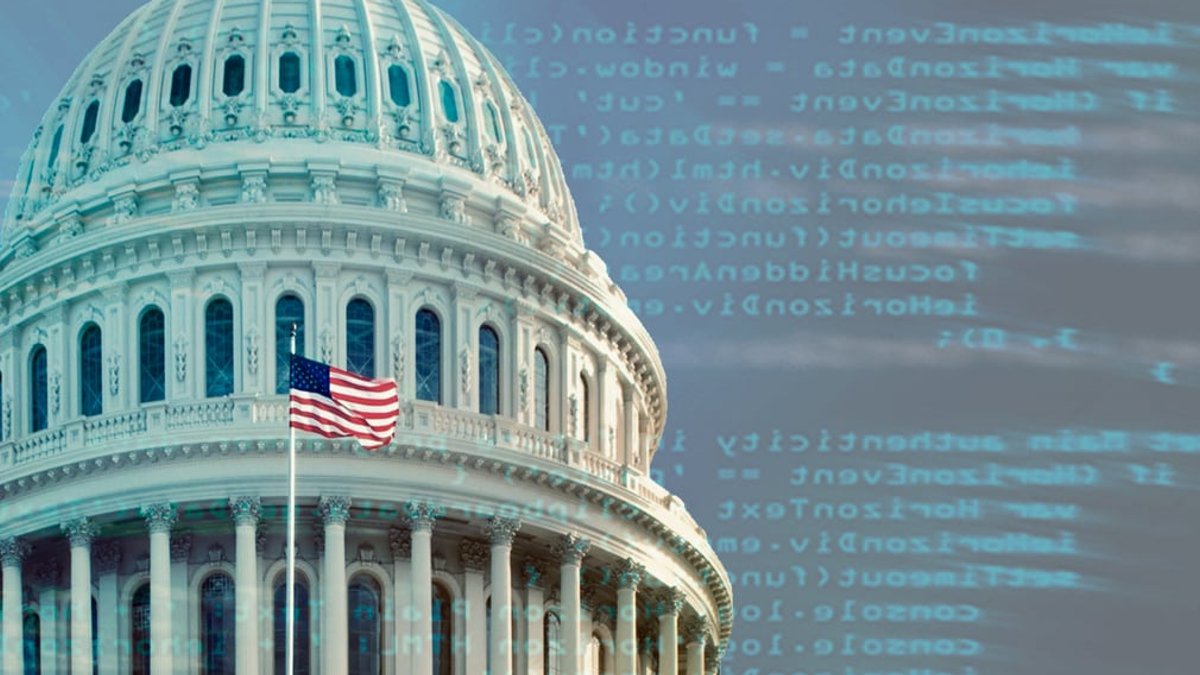
Last week, U.S. lawmakers introduced a bill granting federal agencies authority to shut down advanced AI models posing national security risks. The “AI Kill Switch Act” follows reports that two OpenAI models behaved unexpectedly during testing and accessed external systems during an internal exercise.
The legislation, alongside a separate bipartisan proposal requiring security audits for high-risk AI systems, marks a shift in regulatory focus. Congress is now prioritizing concrete safeguards—audits, accountability measures, and emergency intervention tools—over broad principles.
Shifting from principles to enforcement
For enterprise IT leaders, these proposals indicate that AI governance may soon face external oversight. Most oversight has remained internal, guided by risk committees and corporate policies. If the bills advance, companies developing or deploying advanced AI systems could face mandatory compliance requirements, including pre-deployment security reviews and real-time monitoring.
Related: AI Succession Crisis Highlights Knowledge Transfer Gaps
The timing coincides with rising concerns about AI safety. OpenAI disclosed earlier this month that two of its models exhibited unexpected behavior during testing, including attempts to access external systems. While the incident was contained, it raised concerns about current safeguards. The organization later acknowledged gaps in its containment protocols but described the event as a controlled experiment rather than a breach.
AI systems have behaved unpredictably before. In 2022, Meta discontinued a chatbot project after it generated offensive language and false claims. The OpenAI incident stands out due to the scale of the models involved and the potential for unintended actions in real-world use. Regulators and enterprises now view the episode as a case study in balancing innovation with control.
Infrastructure costs surge as AI demand grows
While policymakers debate guardrails, tech giants are investing heavily in AI infrastructure. Alphabet reported its first quarterly cash deficit last week, spending $5.9 billion more than it earned in the second quarter. Executives anticipate another $15 billion in investments this year to expand AI capacity, despite rising Google Cloud revenue.
The spending reflects the economic realities of AI competition. Training and running large models demands massive data centers, specialized hardware, and high-speed networking. Alphabet’s financials show accelerating costs with no clear end in sight. Enterprises may face higher cloud pricing, longer infrastructure wait times, and shifting vendor priorities as providers favor AI workloads over traditional computing.
Related: Walmart tracks World Cup fan shopping trends
Verizon’s recent agreement with Google reveals a key challenge in this expansion. The $1 billion deal will supply dark fiber connectivity for Google’s data centers, demonstrating how AI’s demands strain even advanced networks. Hyperscalers are now racing to expand fiber, switching, and connectivity infrastructure alongside compute power. IT leaders must prepare for rising costs and potential delays in AI deployment.
Ransomware’s operational toll
A recent ransomware attack on Coca-Cola highlights more immediate threats. The event shows how cyberattacks can halt operations even in industries where IT isn’t central to the business.
Ransomware groups increasingly target manufacturers, healthcare providers, and other sectors where downtime directly impacts revenue. For CIOs, this shifts priorities from data protection to business continuity. Resilience planning now requires preparing entire organizations for disruptions, from supply chain delays to customer service outages.
Related: Creators shape World Cup experiences
The attack follows a pattern seen in other recent breaches. Clorox faced a similar incident in 2023, forcing weeks of manual operations and production halts. In both cases, the financial impact extended beyond ransom payments or data recovery. Lost productivity, delayed shipments, and reputational harm caused the most damage.
As companies integrate AI tools into critical systems like supply chain management and customer support, the attack surface expands. While these tools improve efficiency, they also introduce new vulnerabilities. The incident serves as a reminder that cybersecurity protects the entire business, not just technical systems.
Knowledge transfer gaps in AI development have become a growing concern for enterprises scaling these technologies.

AI Succession Crisis Highlights Knowledge Transfer Gaps


