Creators shape World Cup experiences
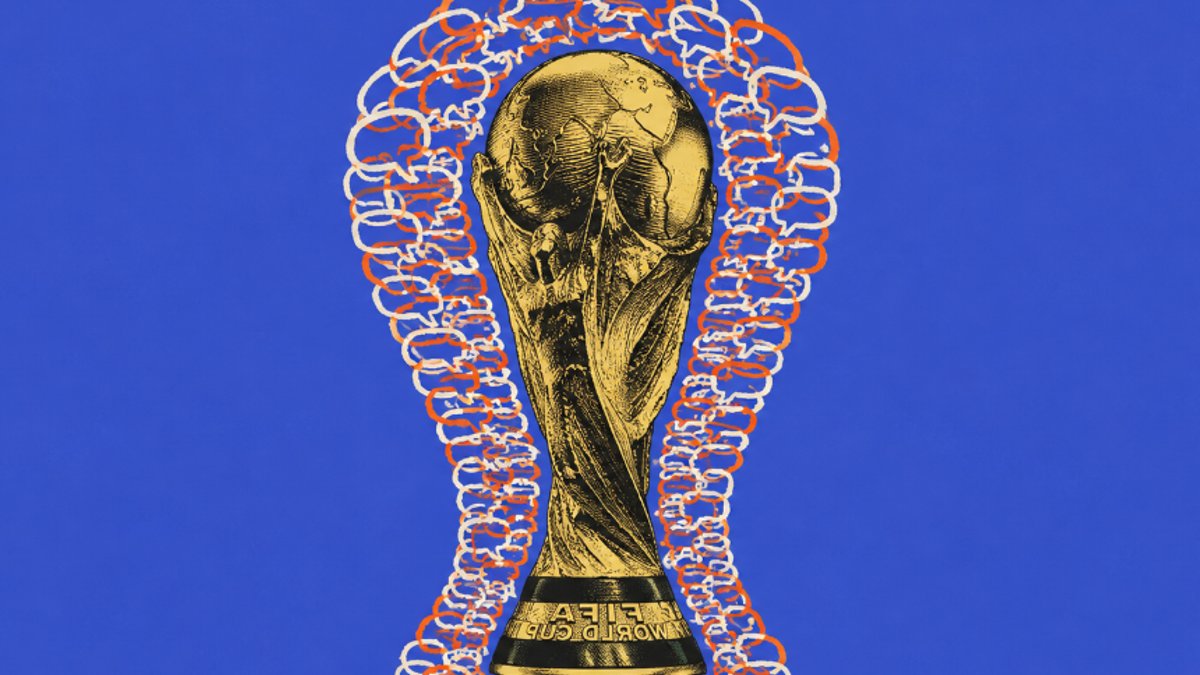
The 2026 FIFA World Cup changed how content creators influenced the tournament’s reach and engagement. Platforms like YouTube and TikTok secured official partnerships with FIFA, granting creators access to games, players, and events. This arrangement shifted how younger audiences experienced the World Cup, moving beyond traditional broadcasts to content from online personalities.
Creators outperformed celebrities in engagement
Data from Nectar, a social listening platform, showed creator-led content dominated the tournament’s top-performing posts. Of the 15 highest-earning media value posts, 10 originated from creators rather than celebrities. Sponsored creator content had a median of 929,000 views, nearly double the 573,000 median for celebrity endorsements. Financial value followed this pattern, with creator posts averaging $62,000 in earnings compared to $56,000 for celebrities.
Nectar’s CEO, Misbah Uraizee, explained that while celebrities can still drive moments, creators offer a more reliable distribution method. Brands like Kalshi, Polymarket, and Airbnb took advantage of this by partnering with creators who already had engaged audiences. Kalshi’s collaboration with a viral sports-betting creator generated 126 million views on its top post. Polymarket worked with a trusted voice in the betting space, earning 2 million views, while Airbnb used a feel-good creator’s format to secure 1.3 million likes.
Related: W3C’s Attribution API sparks bias concerns
Young fans drove the conversation
Metrics from Lumen by Talkwalker indicated adults aged 25 to 34 made up 52.4% of the World Cup conversation early in the tournament, with 18- to 24-year-olds contributing another 31%. Engagement declined sharply after age 34. Monica Chun, president of the Acceleration Community of Companies, said this reflects a shift in how Gen Z consumes sports.
Chun stated that for previous generations, the game was the entry point to fandom. For Gen Z, it often comes last. They engage with the athlete, the story, the creator, the controversy, or the surrounding community. A viral TikTok or a streamer’s hot take can now hold as much influence as the match itself. Sports are no longer just shaping culture—they’re being shaped by it.
No one represented this shift better than Darren “IShowSpeed” Watkins Jr. His dedicated stream on Fox’s platform, appearances at major games, and a musical performance during the final made him the tournament’s breakout star. In the month before the closing ceremony, he accumulated 410,000 mentions and 46 million engagements, according to Lumen.
Platforms bet big—and it paid off
YouTube’s partnership with FIFA, announced in March, delivered strong results. The platform streamed the World Cup final to 21 million average viewers, while Fox’s traditional broadcast peaked at 51.7 million. YouTube’s success came from its creator ecosystem. Over 1.7 billion unique viewers watched World Cup-related videos during the tournament, with 550 million tuning in via TV. Creators like IShowSpeed brought their fanbases to the sport, collectively amassing 2.5 billion views on World Cup content.
Related: Check Maximo for Energy: The Importance of Energy Management Systems
TikTok took a different approach, sending 30 creator correspondents to games to produce sideline content. Rollo Goldstaub, TikTok’s global head of sport, said the platform became a hub for reactions, tactical breakdowns, and behind-the-scenes access. He noted people weren’t just watching highlights—they were engaging with the creativity fans brought to TikTok daily. The numbers supported this: the #FIFAWorldCup hashtag saw a 72% increase in views, while the broader World Cup hashtag more than doubled, rising from 25.4 billion to 54.7 billion views.
Creators drove 70% of World Cup-related video views across YouTube, Instagram, and TikTok, according to iSpot and Tubular Labs. Jill Nicholson, CMO of Chartbeat, called it a success for FIFA’s strategy. She said the real achievement was activating popular soccer creators who helped bring the games to global audiences in a relatable way, regardless of their familiarity with the sport.
The 2026 World Cup set viewership records and demonstrated that the future of sports fandom may not rely on traditional TV. The tournament proved digital platforms and creators could redefine how fans engage with major events.

W3C's Attribution API sparks bias concerns


