Mel Robbins says brands see podcast cultural dominance
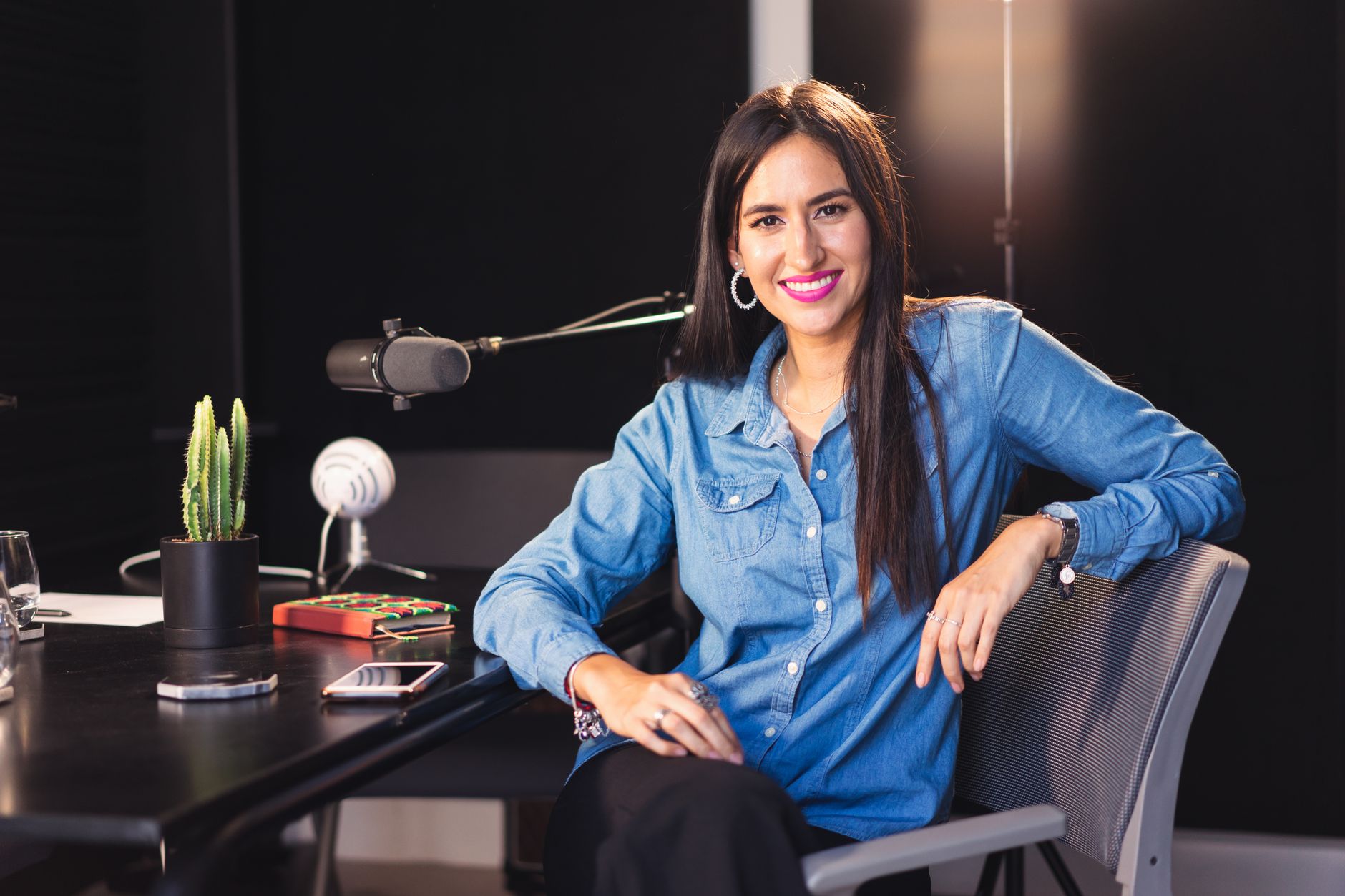
Mel Robbins is one of the world’s most listened-to podcasters, best known for the “Let Them” theory — a simple idea about letting go of control over others that spawned a chart-topping podcast, a number one New York Times best-selling book, and a phrase that spread widely on social media. Last month, she attended the Cannes Lions Festival of Creativity for the first time, a rare step outside the business she has built. “I’m so focused on running my business, I don’t often extract myself out of it to go to big events,” she said. She went with her ad sales partner, SiriusXM, because 2026 was the first opportunity that worked in her schedule.
Before attending, Robbins thought Cannes was just another big event. For someone focused on building a business, it can be hard to justify taking time away for what looks like a glossy week on the French Riviera. But she changed her mind after experiencing it.
“I now understand that this is the event where so many chief marketing officers and chief brand and chief media officers all convene, that this is where deal making gets done,” she said. “It means budgets for 2027 are now getting solidified, and campaigns have been thought through. So this is really where you can make connections and meet people.”
The real value came from unplanned encounters. One night she returned to her hotel after the Cannes UTA event and bumped into Michelle Crossan-Matos, chief brand and experience officer at SharkNinja, who used to be CMO at Ulta Beauty. “Then in the elevator, there’s Adobe’s CMO — they’d hired me to do a corporate speech for a huge event three years ago,” Robbins said. “Where else could you put yourself in the mix of so many people at that level and have those casual bump-ins and also organize business meetings?”
Related: Electronic Arts bets in-game ads out-earn CTV
Her podcast draws 11 million weekly listeners across 194 countries, and her book The Let Them Theory sold 10 million copies in its first year. Still, she finds real value in those interactions. Her show is focused on everyday people — it doesn’t rely on celebrity guests or breaking news. “We don’t get the benefit of the media and publicity lift those shows receive all the time,” she said. “I’m not based in LA, New York, or in big media cities. Our podcast is produced in Boston. If you put yourself in the current of an event where there’s a lot of people and stuff going on, the amount of press that gets generated is incredible.” She saw a direct impact on downloads and book sales after appearances at the Golden Globes and Time Women of the Year.
Robbins is aware that AI is changing the media environment she spent years learning. She said the pace demands attention. “It’s very important for anybody to understand the pace of change with AI, and the way AI is now generating press hits, it’s mesmerizing what’s happening,” she said. She described getting off a plane in Nice, bumping into a friend from The Today Show, posting about it on Instagram, and then having Parade magazine write an article about the encounter. “That, to me, is an indication you need to think about the ecosystem you’re playing in and ask yourself, what are the big events where you know the water is churned up, because if you jump into that, you will benefit from the press that comes from it.”
Her point is that AI makes this loop move faster — a casual run-in becomes a press hit almost immediately. Showing up at Cannes, where activity is concentrated along the Croisette, now produces bigger returns than it might have a few years ago.
For creators who rely on platforms for distribution, Robbins’ approach highlights the importance of owning direct relationships with an audience. While many chase the latest platform trend, her focus on a clear mission and a loyal newsletter list provides a buffer against algorithm changes. The technology may shift, but the connection with listeners who choose to follow her directly remains her strongest asset.
She is clear about where podcasts sit within media budgets and how that position has shifted. For years, she argued, the format was treated as an offshoot of audio, and only now is the industry catching up. “I have one of the largest shows in the world, and the impact we’re making globally is very well established and very well respected,” she said. “I’m excited that brands in particular, are recognizing the cultural dominance and impact of this format.”
Related: OpenAI Expands Advertising Options
She said the dollars were in the wrong bucket. “If you asked 90% of CMOs, brand officers, and media officers where their budget for podcast spend was, they would have bucketed us with radio and audio.” But her show launched with a video presence on YouTube. “If you’re smart about it, you might produce an audio-first format, but you have to have video to market yourself effectively.”
What changed, she said, is the number of players jumping in with video — Netflix, Spotify, Apple, even Hulu. “There’s so many different streaming services people think about as television, not as audio, so that’s what’s changed. Podcasts have always been massively dominant. I think the world is now catching up with what the opportunity is for the medium and brands.”
Robbins gets a lot of reach from platforms, but she knows she is renting that space. “The only thing you actually own is your newsletter list, it’s the only thing you’re in control of,” she said. “When you think about your business as a creator, I own everything I do. So if something were to happen with the platforms, there’s so much interesting tech, you just relaunch it yourself using different tech.”
That ownership is less about infrastructure and more about being clear about her unique selling point. “If you’re clear about what you’re doing, why, as well as who and what it’s for, the platforms will come and go, the technology will continue to evolve, and you can use that internal guidance system to help you make decisions about what you’re going to do next.”
Related: Use of Firewall in internet world
That philosophy shapes her commercial model. “My number one goal: I want what I do to be free, which is why I love advertising and brand supporting content,” she said. “It allows me to create something that serves one person at a time at a global scale, and also makes it available to people globally for free. That’s a winning formula.”
Even at the top, Robbins guards against complacency by keeping herself at arm’s length from her own metrics. “Every week when I turn to Tracy, our executive producer, and ask, ‘are we still doing okay?’ and she’ll say, ‘yeah, we’re still doing okay’, and I’m legitimately surprised,” she said.
That surprise comes from knowing how competitive podcasting is. “I know how hard I work, but I also know how many amazing shows there are. I know how overwhelmed people feel right now. I know how hard it is to capture somebody’s attention and to earn it, and I don’t take that for granted. I actually believe that what made us successful in 2025 will not actually create the same results in 2026.”
She also resists the question she is often asked: what’s next? “When I’ve created something extraordinary like the Let Them theory, why would you create a second thing and divide people’s attention?” Instead, she wants to take stock. “My goal in the next six months to a year is to examine every single seat in our company. To examine every single piece of our operations, the production cycle and ask ourselves the question, how do we make this easier? How do we give people more time? How do we infuse more human creativity and ingenuity in service of that one person who’s standing in front of me in line at the grocery store? If we can do that, that’s an incredible thing to achieve.”

Electronic Arts bets in-game ads out-earn CTV


