Rare Earths Reassessed in Semiconductor Supply Chains
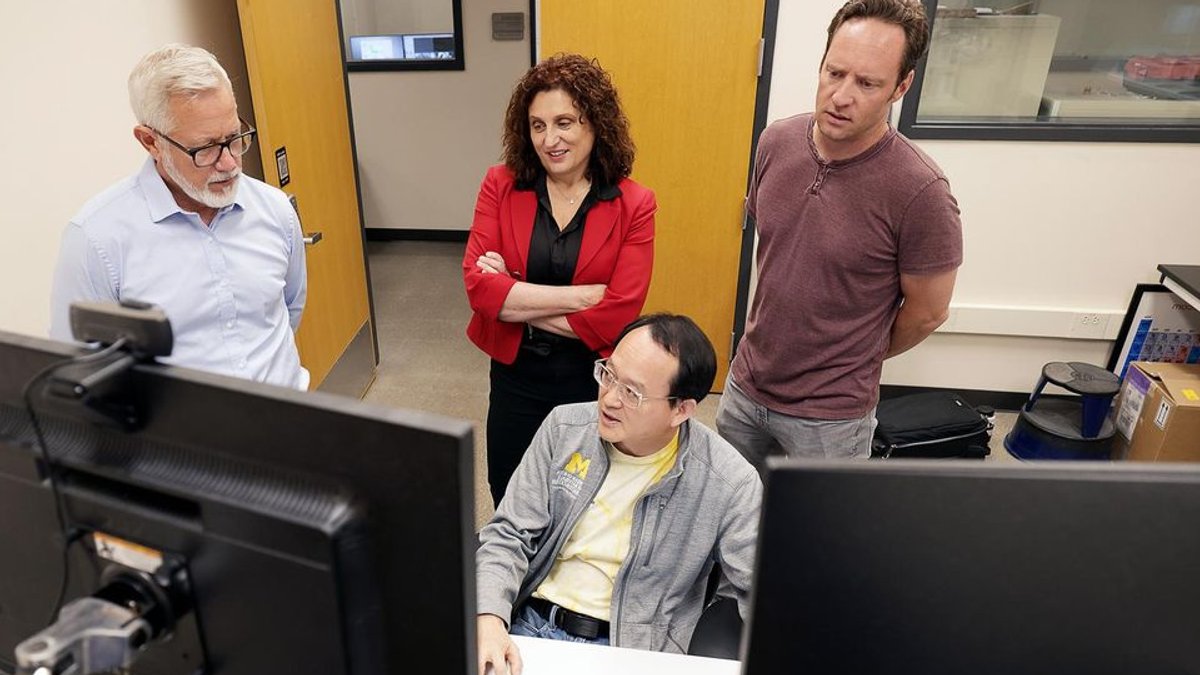
The recent IEEE Spectrum listing titled “Common Earth Project Aims to End Chip Supply Chain Bottlenecks” provides no substantive details about the initiative’s approach to rare‑earth metals in semiconductor manufacturing.
What the release says
The brief page mentions the project’s goal of easing chip supply constraints but offers only standard navigation links and membership prompts. No data, statements from officials, or technical descriptions are included.
Missing context
Without explicit information on how rare‑earth elements might be sourced, substituted, or recycled, readers cannot assess the potential impact on supply chains. The absence of quoted experts or concrete plans leaves the project’s scope unclear.
In practice, the lack of detail means stakeholders—such as manufacturers and policy makers—must wait for a more thorough briefing before gauging any shift in material strategies.
For now, the announcement remains a placeholder on the IEEE platform, pending further disclosure.
Rare‑earth supplies have long been a point of vulnerability for the global chip industry.
Countries that dominate mining operations often control export volumes, which can create bottlenecks when demand surges. Companies seeking to diversify their inputs must handle complex trade rules and invest in alternative chemistries. The project’s title suggests a collaborative effort, yet the public page does not outline which partners are involved or what milestones have been set.
Related: Bede Liu Dies at 91
Analysts note that a transparent roadmap would help investors allocate capital toward research on substitute materials. When a plan is clearly articulated, research labs can align their efforts with market needs, reducing duplication of effort across the sector.
One reason for the silence may be that the initiative is still in its early design phase. Early‑stage programs frequently limit public exposure until a consensus on objectives is reached. If that is the case, the brief description serves primarily as a signal to interested parties that a conversation is opening.
Nevertheless, the industry benefits from early insight into strategic directions. Manufacturers looking to secure supply lines often adjust their procurement strategies based on policy signals. A concise statement about intended actions would allow them to plan for potential changes in material sourcing.
Environmental groups also monitor rare‑earth extraction because of concerns about waste management and ecological impact. Clear communication from the project could address these worries by outlining recycling goals or sustainability standards.
In the absence of such information, observers are left to infer intent from the project’s name alone. The phrase “Common Earth” evokes a vision of shared responsibility, yet the current content does not elaborate on how that vision translates into concrete steps.
Future updates are expected to fill the gaps identified here. When more details emerge, they will likely clarify the roles of academic partners, industry sponsors, and government agencies. Until then, the listing remains a brief notice rather than a full exposition of a strategic plan.


