Tailscale VPN Turns Remote Devices Into Home Network
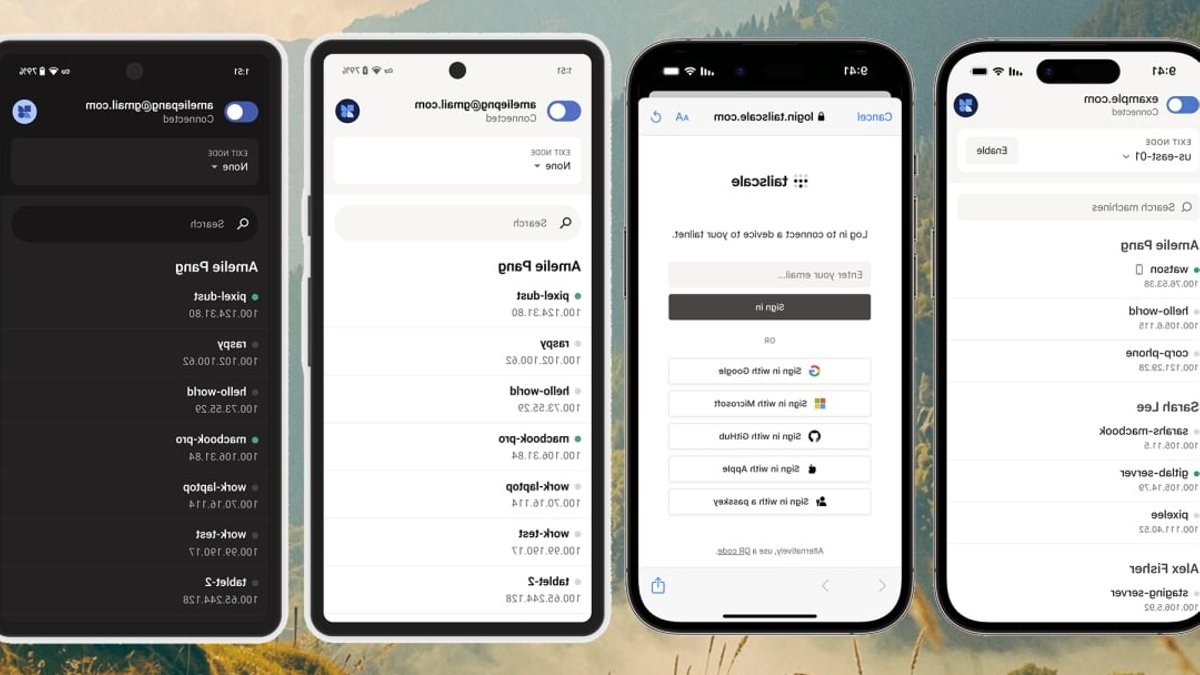
The rise of virtual private networks has given users a way to protect data, yet a newer offering lets individuals tap into their own home network from anywhere, effectively turning remote locations into extensions of the living room.
How the service differs from traditional VPNs
Typical consumer VPNs such as NordVPN route traffic through external servers to mask a user’s location, while this platform creates a direct tunnel back to the user’s private network, making remote devices appear as if they are on the local LAN.
Remote-access technology has existed for years, but configuring routers, firewalls, and third-party tools has often required detailed networking knowledge, a barrier for most home users. The new approach abstracts those complexities behind a simple client, allowing people with minimal technical background to establish a secure pathway without manually opening ports or writing firewall rules.
Setup and device support
Installation begins with downloading a client for the chosen device, then signing in via a Google, Microsoft, GitHub or Apple account; within minutes the user’s personal network, sometimes called a “tailnet”, is active. The sign-in step automatically provisions cryptographic keys, so the user never handles raw certificates or shared secrets.
Read Also: iOS 27 Update Brings Customizable Features and Dual Capture
The free tier permits up to six individual users, unlimited personal devices, fifty tagged resources, and three access-control groups, while paid plans start at $8 per month.
There’s also a web portal you can access to see all of the devices you’ve connected and what they’re up to.
Practical features and everyday use
On mobile platforms, the solution integrates with the share sheet, enabling quick photo and file transfers between phones, tablets and computers without relying on AirDrop or Android Quick Share.
Users can designate any home computer as an exit node, causing internet traffic from a hotel or café to exit through the home network, so external sites see the home IP address instead of the public hotspot.

iOS 27 Update Brings Customizable Features and Dual Capture


